天生我材必有用 Heaven made me – my abilities must have a purpose (Li Bai, 701–762).
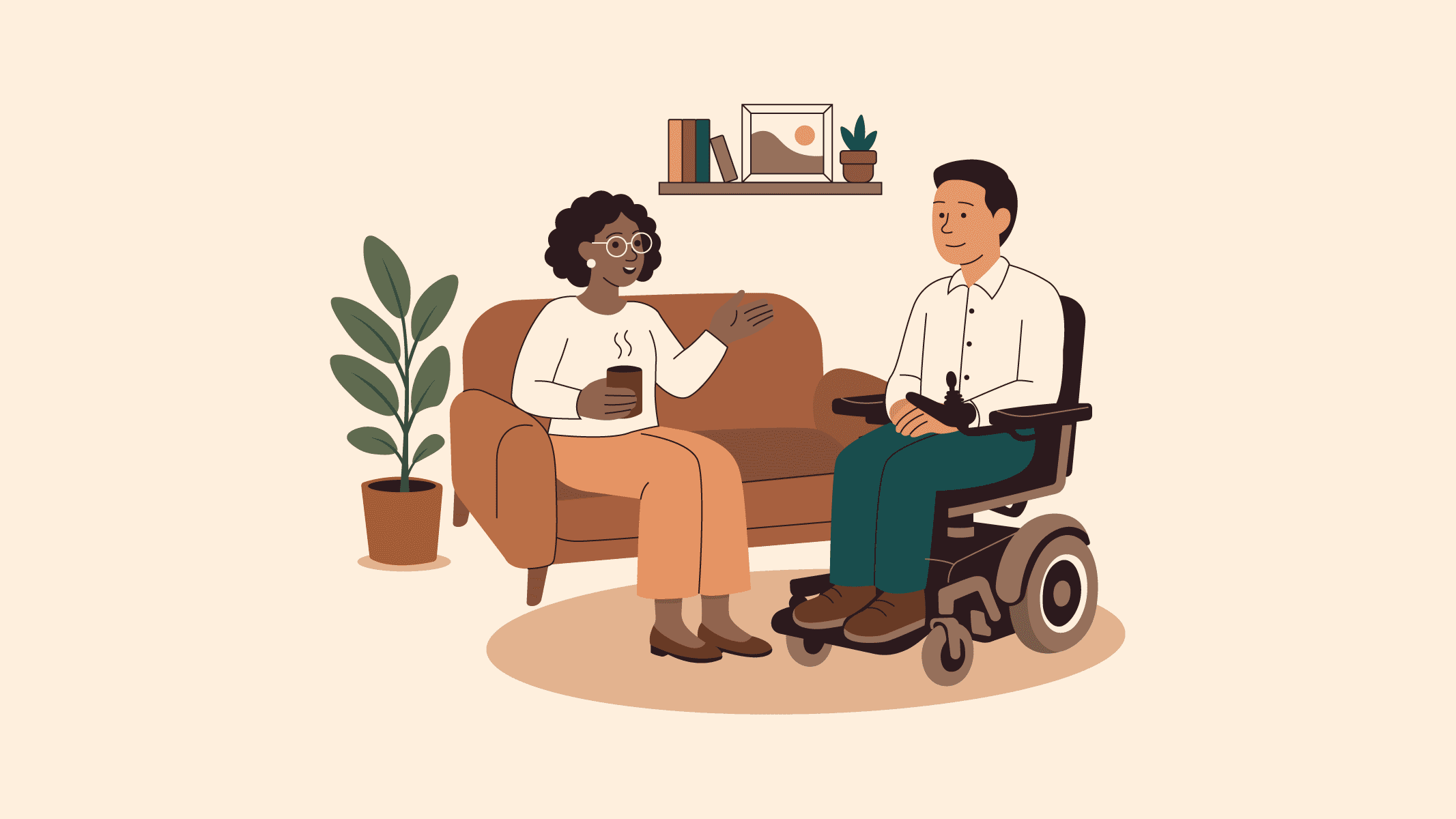
My parents put this line on my birth announcement. Nothing could have been more fitting. Life brings challenges for everyone. For me, there’s an extra dimension to that: I have a disability and use a wheelchair because of it. From a young age, all I wanted was a “normal” life: to take part in society and contribute by putting my talents to use.
Sound familiar? Then the question that follows might be the most important one you can ask yourself: how do you navigate a world when you differ from the norm, a world where people often base their first impression on how you look, where you’re seen as “different”? Three steps help with that.
Step 1: connection with yourself
The keyword is connection, and it starts with yourself: you are the starting point. What are your talents? What role has your disability played in developing them? What do you want to achieve? What gives you energy?
Knowing who you are, what your talents are, and what kind of support you need forms the basis for shaping how others see you. Without that foundation, it’s hard to take the next step: making sense of the environment you’re moving through.
Step 2: connection with your environment
Once you have a clearer picture of who you are and where you want to go, it’s time to bring your environment into the equation. Every environment runs on a set of written and unwritten rules: the norm. The norm describes how people behave and what we expect of each other: how we talk, what we wear, how we look. In short: what do we consider “normal”?
And that’s exactly where it gets uncomfortable. Whether you’re blind or deaf, live with a chronic illness, or use a wheelchair: people with disabilities often still fall outside the norm. That can make you feel different, excluded. It can affect how you see yourself, leading to internalised ableism. You might push yourself extra hard to fit in, to the point of going past your own limits.
But your disability isn’t the problem. The fact that the environment isn’t yet inclusive, that’s the problem. Which is why it matters to broaden the norm. And that brings us to the final step.
Step 3: connection with the other person
Knowing who you are, what you’re good at, where you want to go, what you want to develop, and the context and norm you’re operating in: that’s a solid basis for starting the conversation with someone else. By using different conversation techniques and inviting the other person to view the world from your perspective, you can broaden the norm together.
That conversation can feel clumsy. Uncomfortable. Awkward. But that’s exactly where the space to grow together opens up, and where you get to shape how people see you.
Everyone has talent
Sometimes it’s hidden. Sometimes it’s hard to put into words. Or you’re not quite sure what kind of support you need to take the next step. I know exactly how that feels. That’s why I started Kemai Coaching.
Kemai Coaching stands for moving forward: thinking in possibilities rather than limitations. Whether it’s getting a clearer picture of your talents, your next career step, or developing your own leadership style, I’m here to help.