Do you have a disability? Or are you your disability?
Everyone I speak to with a disability is intelligent. Works at a good organisation. Has talent. But there is one difference: the extent to which they actually use that talent. And it often comes down to how they talk about themselves.
One group says they are disabled. The other says they have a disability.
Disability as identity
One group believes their disability is their identity. It takes centre stage. They are hyper-aware of themselves. How they look. How they move. How they speak, and how that sets them apart from the norm. This creates a constant internal dialogue: am I saying the right things? Do I come across strangely? What will they think of me? They are so focused on how they are perceived that they lose sight of who they are, separate from their disability. That takes energy. It is exhausting.
Disability as part of your identity
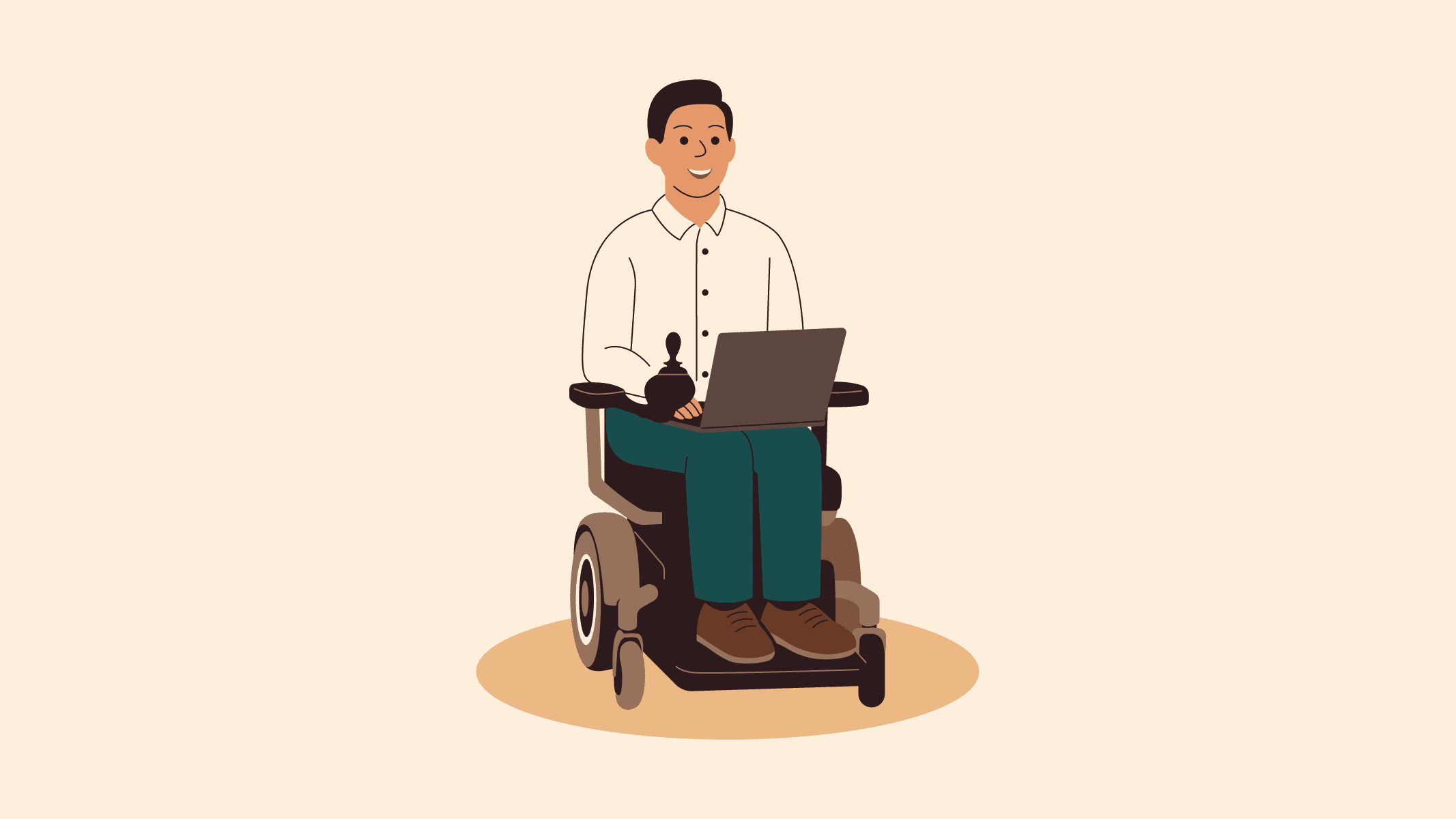
The other group believes their disability is part of their identity — not the whole of it. They are not their disability. They have one. They see themselves as talented professionals, people who can grow and who bring a different perspective. Not in spite of their disability, but because of it. This seems like a negligible distinction. It is not. It changes how they relate to the people around them. They do not make themselves unnecessarily small. They take up space, share ideas, show initiative, and spend far less energy worrying about what others think. The result: more freedom to be themselves and to actually use their talents.
The difference lies in how you think about yourself
The difference is not intelligence or talent. It is mindset. And that is a skill anyone can develop. Start by slowing down. Pay attention to the words you use about yourself, and ask yourself why you use them. Do you actually believe that? Or did you absorb it from the world around you?
You have a disability. You are not one.