
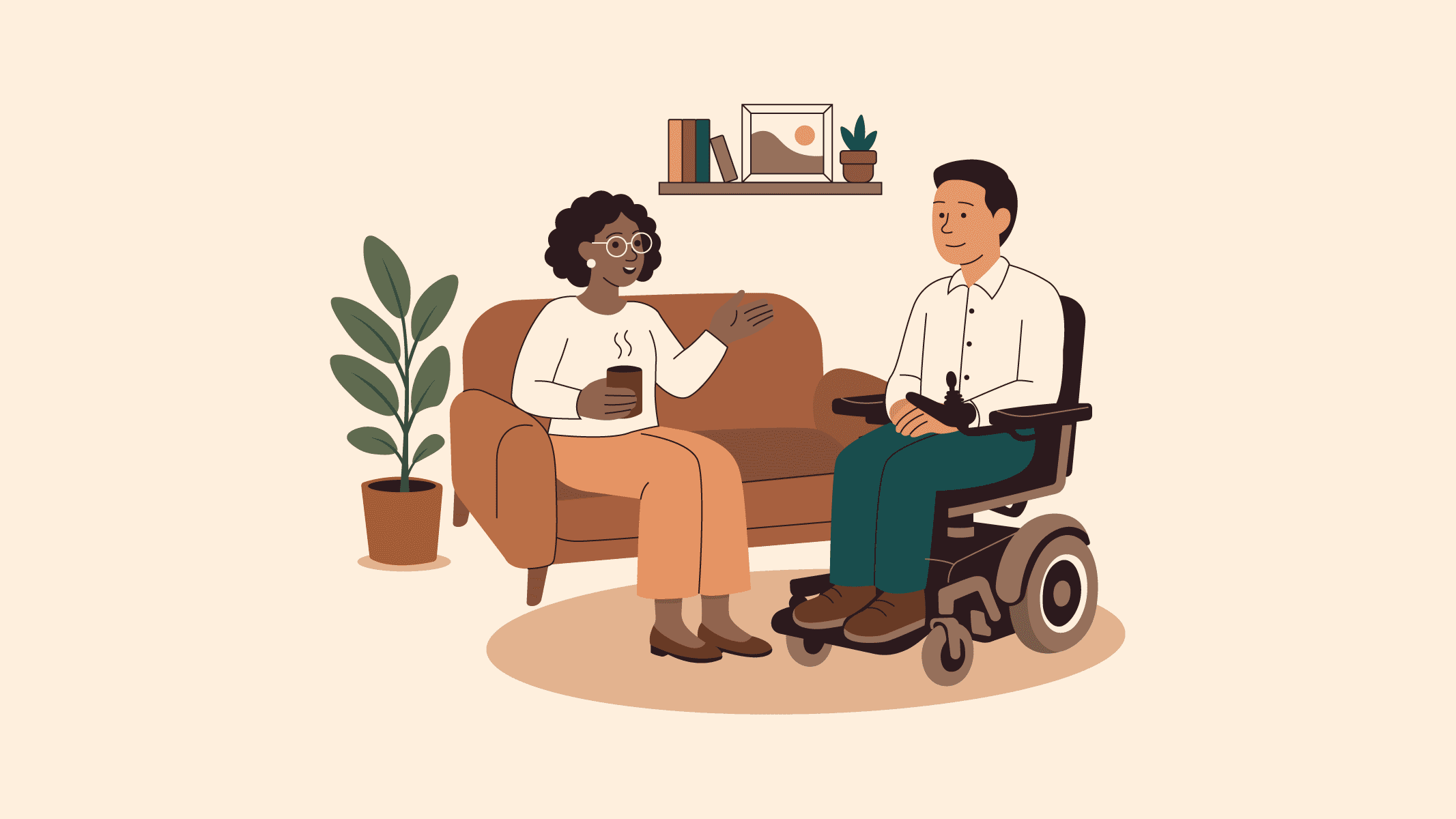
Not everyone is the same. But everyone is equal.
When I first heard that sentence, something clicked.
Up to that point, I had always gone with the flow. I was good at reading my environment and adapting accordingly at work: what to say, which words to use, what tone to strike, how to dress. All of it aimed at fitting as neatly as possible into the existing culture. I stuck to the well-worn paths to blend in with the crowd. Because that was the only way to grow.
Or so I thought.
Adapting as a strength
And that is not a bad thing in itself. Being able to adapt to your environment is a skill. It shows you can observe well, understand the written and unwritten rules, and adjust your communication style effectively. It reflects cultural intelligence. That is your advantage.
Adapting as a trap
But that is also exactly where the danger lies. Because when you constantly adapt, you start to believe it is the only way to be allowed to participate. To develop yourself. And that costs energy — this is also known as code-switching. It feels like changing outfits several times a day. You have become good at it. But that does not make it any less exhausting.
Adapting as a skill
That ability to adapt is valuable. And it becomes even more powerful when you use it to create space for yourself. To widen the well-worn path rather than just follow it.
That is what I am here to help you with. So that you do not need to be identical to be treated as an equal. That is equity.