
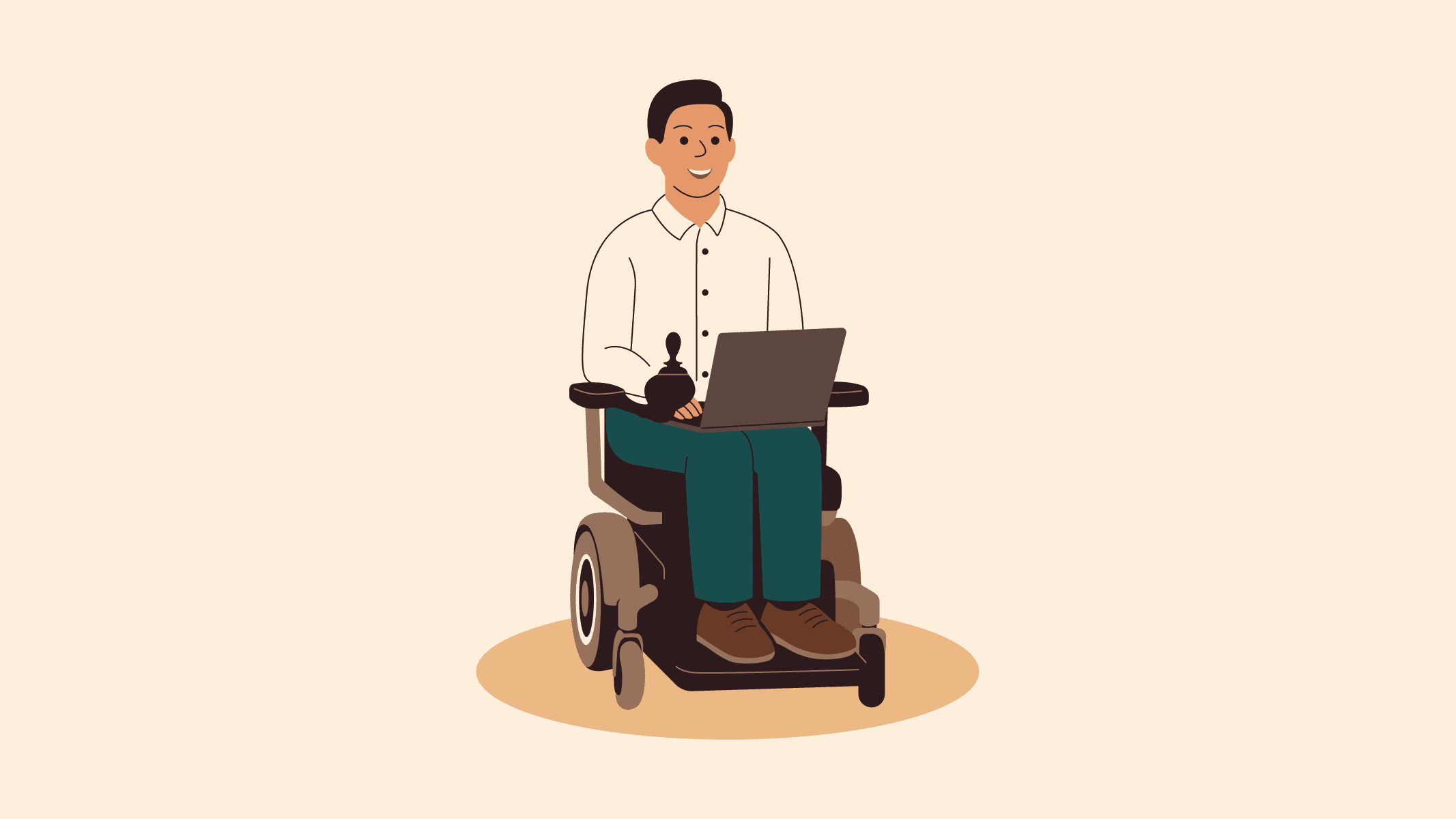
If you have a disability, you often run into assumptions about your talents, capabilities, and potential. Three common comments, and ways you can respond effectively.
“You don’t look [disabled/chronically ill]”
Your response: “I don’t understand what you mean. Can you explain that?”
Why this works: You force the other person to spell out their own reasoning. The comment says nothing about you, but everything about the stereotypical image the other person has of what a disability is supposed to look like. By asking what they meant by the remark, you force them to explain their own thinking.
“I really admire and respect that you work here too”
Your response: “Thank you! I admire that you work here too! I mean, cycling to work, even when it’s raining. I find that so inspiring, [person’s name]!”
Why this works: By exaggerating the situation, you hold up a mirror and use humour to show that this is a strange remark to make. This comment suggests you’re a hero because you take part in everyday things despite your disability. That unnecessarily sets people with disabilities apart from the rest of society.
“Would you even want that promotion to senior? That requires working 40 hours. Can you handle that?”
Your response: “It’s nice that my health comes first for you. Because of my [disability/chronic illness], that is indeed a challenge. This barrier places the responsibility on my disability, while it actually lies in how we’ve designed the role and the system around it. How does that hours requirement relate to the knowledge and experience I bring? Can we look at how to solve this together?”
Why this works: You put the responsibility back where it belongs: on how the system is designed, not on your disability. And you invite the other person to find a solution together, instead of just naming a problem.
It says something about their perspective, not your talent
Comments like these say nothing about your talent or disability, they mostly say something about the other person’s perspective. Your disability doesn’t limit you, the accessibility of our job market does. And having that conversation is the first step toward a job market where talent can actually be put to use. Because you bring talent not despite your disability, but because of who you are.