
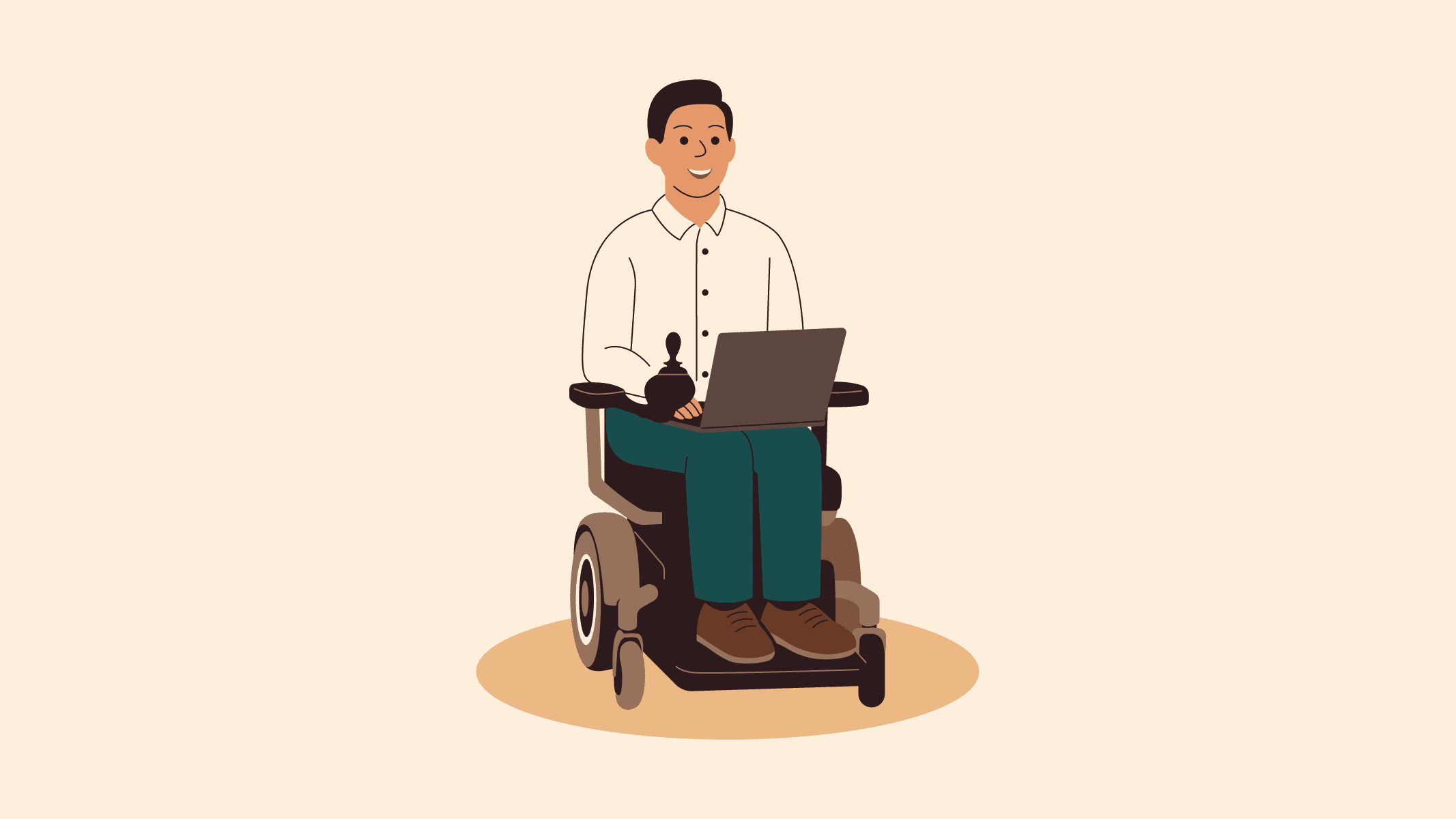
My wheelchair often determines how people approach me. It’s usually the first thing people notice. A big, eye-catching piece of equipment. It sets the tone for the conversation we have: what the other person is already thinking, what questions they ask, and what expectations they bring into it.
Flattened to my wheelchair
I always found that disappointing. It felt like my identity was flattened down to just my wheelchair, as if I were my disability. As if my identity could only exist in one dimension. Painful. It made me doubt who I am. Because if your environment keeps telling you who you are, is there still room to be who I want to be?
Who do I want to be?
The shift came when I asked myself: who do I want to be? What are my values? What image do I want to project? The Chinese culture I grew up with plays a big role in that. Who I am. What norms and values I hold. And who I want to become. Answering those questions gave me peace. And peace creates room.
Truly seeing someone works both ways
I’m in charge of my own answers. Of how I present myself, what I share, and which story I tell. But truly seeing someone also works the other way around. It means looking beyond what’s in front of you. Not filling in the blanks, but asking questions and staying curious about the other person.